
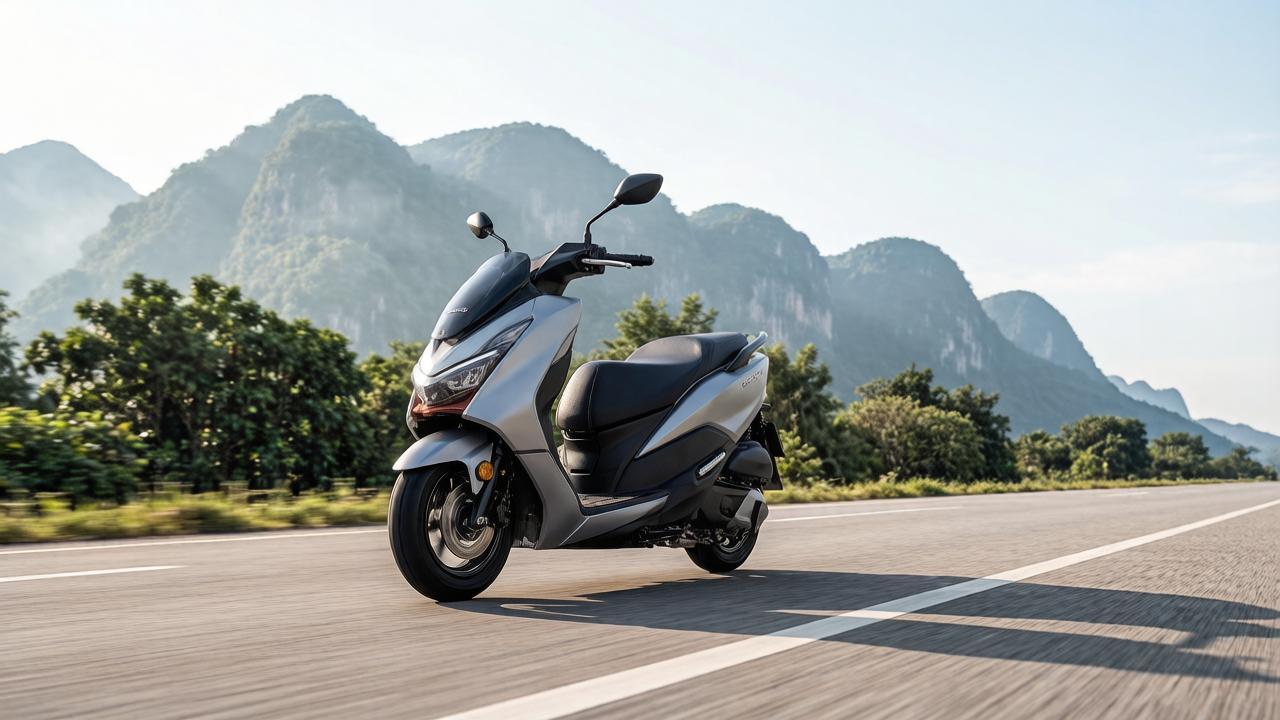
Chiang Mai, the cultural heart and ancient capital of Northern Thailand, is a city best experienced with the wind in your face. From the perfectly square, brick-walled moat of the Old City to the misty, serpentine mountain passes rising into the clouds, true freedom here is measured on two wheels. While local public transport options like the iconic red songthaews, tuk-tuks, and ride-hailing applications have their place, nothing matches the absolute autonomy of holding your own keys. Securing a reliable scooter rental in Chiang Mai is far more than a simple transportation choice; it is the ultimate key to unlocking hidden jungle waterfalls, remote hill-tribe villages, and artisan cafes tucked deep into the mountain valleys.
For independent travelers, digital nomads, and adventure seekers alike, the local roads offer an unparalleled sense of discovery. However, navigating the bustling rental market, deciphering complex local traffic laws, avoiding police checkpoints, and choosing the exact right machine for the terrain can be an intimidating process for first-time visitors and seasoned riders alike. This definitive guide delivers an exhaustive, transparent look into everything you need to know to ensure your two-wheeled journey across Northern Thailand remains safe, completely legal, and unforgettable.
The Reality of Traffic, Geography, and Logistics in Northern Thailand
Before you step onto the showroom floor of a rental agency and sign a contract, it is absolutely vital to understand the unique driving ecosystem of Chiang Mai. The city features a contrasting mix of slow, narrow urban alleyways (sois), fast-moving multi-lane highway corridors like the Super Highway, and steep, breathtaking mountain switchbacks. Traffic flows on the left side of the road, and the inner ring road surrounding the historic center operates as a giant, continuous one-way system. Mastering the navigation of this moat system requires complete focus, quick reflexes, and an understanding of the local, often unwritten, rules of the road.
Opting for a premium motorbike rental in Chiang Mai offers massive advantages over renting a car or relying on drivers. The primary benefit is sheer efficiency. During peak commuting hours—specifically between 08:00 and 09:30 in the morning, and 16:30 to 18:30 in the evening—the city center experiences severe gridlock. A scooter allows you to safely and smoothly filter through stopped traffic, saving you hours of precious vacation time every single day. Furthermore, finding a parking space for a car within the Old City or around the trendy Nimmanheimin area is an absolute nightmare, whereas scooters can be parked easily almost anywhere, provided you understand local curbside painting regulations.
The Legal Framework: Staying Fully Compliant and Avoiding Fines
In recent years, the Chiang Mai Traffic Police have significantly increased their presence on the roads. Daily checkpoints are actively set up at major bottlenecks, particularly around the ancient city gates, major intersections on Nimman Road, and at the very base of the mountain road leading up to Wat Phra That Doi Suthep. Riding without the correct, legally recognized paperwork will result in immediate financial penalties, and more importantly, it will completely void your travel insurance policy in the event of an accident. To guarantee a completely stress-free experience with your motorcycle rental in Chiang Mai, you must fulfill three non-negotiable criteria:
1. The International Driving Permit (IDP) Requirement
It is a dangerous and incredibly common myth among travelers that a standard domestic driver’s license from your home country is sufficient to ride legally in Thailand. To comply with Thai law, you must carry your valid home country motorcycle license alongside an International Driving Permit (IDP) issued under either the 1949 or 1968 conventions. Crucially, the IDP must have the “A” stamp (the specific motorcycle category) clearly validated. If your domestic license only permits you to drive cars, you are legally classified as an unlicensed rider in Thailand, even if a local rental shop willingly hands you the keys to a high-powered 125cc scooter.
2. The Passport Dilemma: Securing Your Identity Safely
Every legitimate, licensed rental agency in Northern Thailand is legally required to verify the identity and visa status of their clients. They will ask to see your physical passport to take a high-resolution scan or copy for their administrative records. Never, under any circumstances, leave your original physical passport with a rental shop as a financial deposit. Your passport is legally the property of your home government, and relinquishing possession of it leaves you incredibly vulnerable to scams or logistical nightmares. Reputable, trustworthy shops will always accept a standard cash deposit instead—typically ranging from 1,000 to 5,000 Thai Baht depending on the market value of the vehicle—alongside a paper photocopy of your passport photo page and your digital entry stamp.
3. Mandatory Riding Gear and Helmet Standards
Wearing a helmet is strictly mandatory by law across all provinces in Thailand, applying to both the driver and the passenger (pillion). While local riders occasionally flout this rule in rural villages, foreigners without helmets are prime targets for police stops. When arranging your vehicle rental, always inspect the provided helmets carefully. Ensure the shop provides a helmet that fits your head snugly, features a clear, scratch-free visor to protect your eyes from dust and insects, and possesses a fully functional, secure chin strap mechanism.
If your travel itinerary is strictly focused on staying within the ancient city walls, browsing the local night bazaars, and hopping between trendy cafes in Nimman, a nimble, lightweight 125cc scooter is undoubtedly your best companion. However, if your eyes are firmly set on reaching the highest point in Thailand at Doi Inthanon, or navigating the legendary 1,864 curves of the world-famous Mae Hong Son Loop, you should strongly consider upgrading to a mid-range or premium vehicle. This ensures you have more than enough mechanical torque to conquer steep, ascending mountain switchbacks smoothly and safely.