
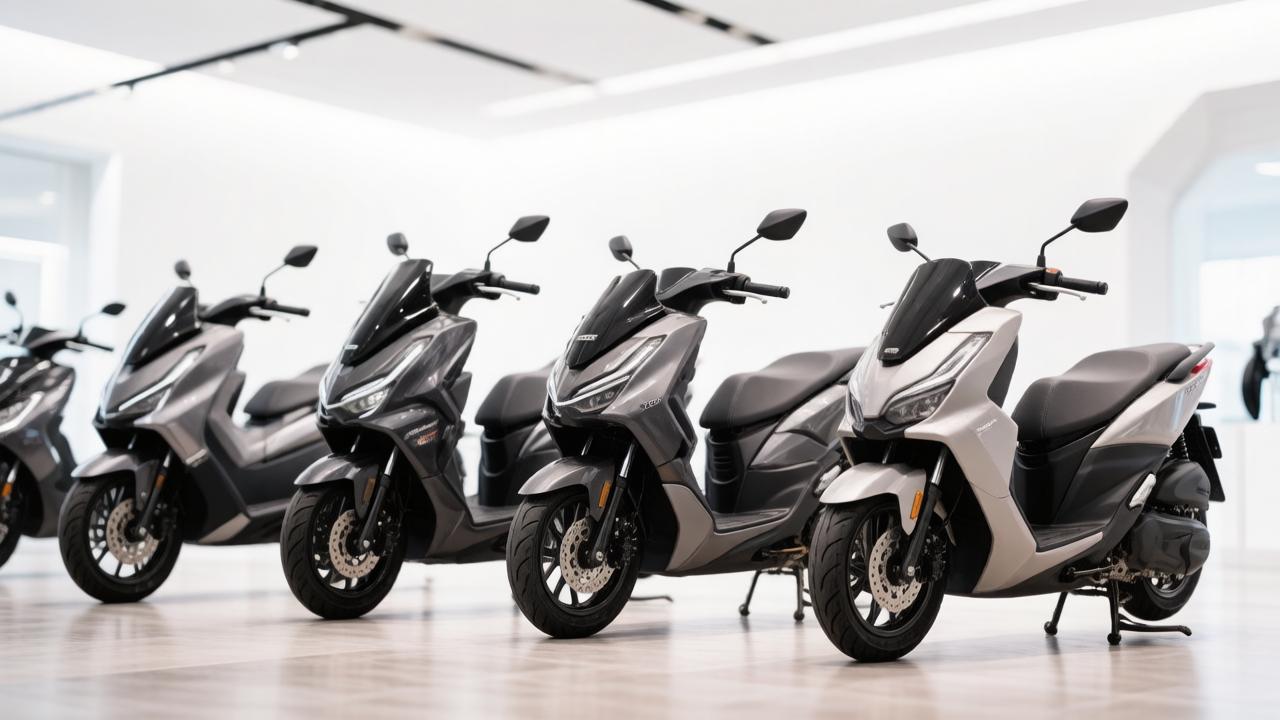
Choosing a vehicle for an expedition through Northern Thailand is a profound operational decision that dictates the safety, comfort, and success of your entire journey. When searching for a premium motorbike rental in Chiang Mai, many travelers commit the fundamental error of treating all two-wheeled machines as identical commodities distinguished only by price. True riding harmony happens when your physical height, your luggage weight, and the specific mechanical layout of the engine align completely with the rigorous geographical demands of the landscape.
The local rental marketplace is populated by a diverse array of automated and semi-automatic platforms, each engineered for a highly distinct operational ecosystem. An agile urban commuter behaves entirely differently under pressure than a high-torque long-distance tourer. This exhaustive fleet analysis strips away the superficial marketing paint, diving deep into the engineering, real-world chassis performance, and exact terrain suitability of the most common models available today.
1. The Lightweight City Commuter Platform (110cc – 125cc Air-Cooled)
Chassis Architecture: Underbone steel frame, small-diameter wheels (12-inch)
Fuel System: Electronic Fuel Injection (PGM-FI / Blue Core)
This class forms the absolute logistical backbone of daily transport across Southeast Asia. Powered by highly reliable, single-cylinder air-cooled engines, these machines are engineered for maximum fuel economy and effortless low-speed maneuvering. Their short wheelbase and low seat height make them exceptionally popular among solo travelers, digital nomads, and casual urban explorers who need to navigate the dense, grid-locked alleyways of the ancient Old City walls.
From an engineering perspective, the small 12-inch wheels provide incredible agility, allowing for instantaneous U-turns and effortless filtering through stopped traffic at busy intersections like Tha Phae Gate. However, the mechanical boundaries of this platform become apparent the moment you exit the valley floor. The air-cooled motor relies strictly on ambient airflow to dissipate thermal energy. When forced to climb steep mountain paths with a passenger (pillion), the engine heat skyrockets, causing the transmission belt to slip and drastically cutting the torque output. Furthermore, the short travel suspension is easily overwhelmed by deep potholes on unpaved rural roads.
2. The Sporty High-Efficiency Commuter (125cc Liquid-Cooled)
Chassis Architecture: Aggressive geometric frame, medium wheels (14-inch)
Fuel System: Smart Power (eSP) injection platform
The Honda Click 125i represents a bridge between light urban runarounds and heavier touring machinery. Unlike its retro counterparts, the Click features a sophisticated liquid-cooling system with a dedicated radiator mesh. This allows the engine to maintain a perfectly stable operating temperature even when sitting in gridlocked traffic or climbing the gradual lower foothills of the nearby national parks.
The standout structural difference lies in the wheel size. The 14-inch wheels offer substantially better high-speed stability and tracking over broken asphalt than 12-inch city scooters. The throttle response is intentionally sharp and aggressive, allowing you to confidently overtake slow-moving songthaews on busy commuter corridors. The primary limitation of this model is its aggressive, narrow seat design and minimalist floorboard space, which can induce physical fatigue for taller riders during journeys that exceed two hours in the saddle.
3. The Premium Mid-Range Touring Platform (150cc – 160cc Liquid-Cooled)
Chassis Architecture: Double-cradle frame, step-through spine, large under-seat bay
Safety Systems: Anti-Lock Braking System (ABS) & Traction Control (TCS)
For independent explorers planning to tackle regional road networks or embark on multi-day loops, this premium mid-range tier is the undisputed gold standard. These maxi-scooters are designed from the ground up for high-end comfort, high-torque output, and advanced rider safety. Equipped with four-valve liquid-cooled engines, they provide substantial power reserves that allow you to maintain a steady 90 km/h highway cruising speed without pushing the mechanics to their redline.
The inclusion of a dual-channel Anti-Lock Braking System (ABS) on models like the Yamaha NMAX is a vital safety layer for Northern Thailand’s unpredictable roads. If you encounter unexpected loose sand or a slick patch of wet moss on a descending mountain corner, the ABS prevents the front tire from locking up, letting you steer safely out of a potential low-side crash. The ADV 160 variant enhances this further with longer travel suspension and blocky dual-purpose tires, allowing you to comfortably traverse unpaved tracks leading to remote waterfalls or rural hill-tribe villages.
4. The High-Power Maxi-Touring Platform (300cc – 350cc Heavyweight)
Chassis Architecture: Extended steel spine, aerodynamic touring wind-shield
Storage Capacity: Dual-helmet expansive under-bone bay
At the apex of the automated rental fleet sit the heavy-duty maxi-touring machines. These large-displacement scooters are engineered for high-speed interprovincial travel and conquering steep alpine ranges with zero mechanical sweat. With massive horsepower and high torque numbers delivered low in the RPM range, these bikes fly up the steepest 20% vertical inclines of Doi Inthanon even when fully loaded with heavy luggage and a passenger.
The ergonomic design offers plush, sofa-like seating with dedicated feet-forward cruiser steps, completely eliminating rider fatigue over long driving hours. Massive adjustable windshields deflect the high-speed air blast away from your chest, keeping your core stable. However, this massive footprint comes with strict physical trade-offs. Weighing nearly 180 kilograms, these machines are incredibly heavy and cumbersome to maneuver in tight, sloped parking spaces or crowded night markets. They demand a highly confident, experienced handler who understands low-speed balance and heavy chassis momentum management.