
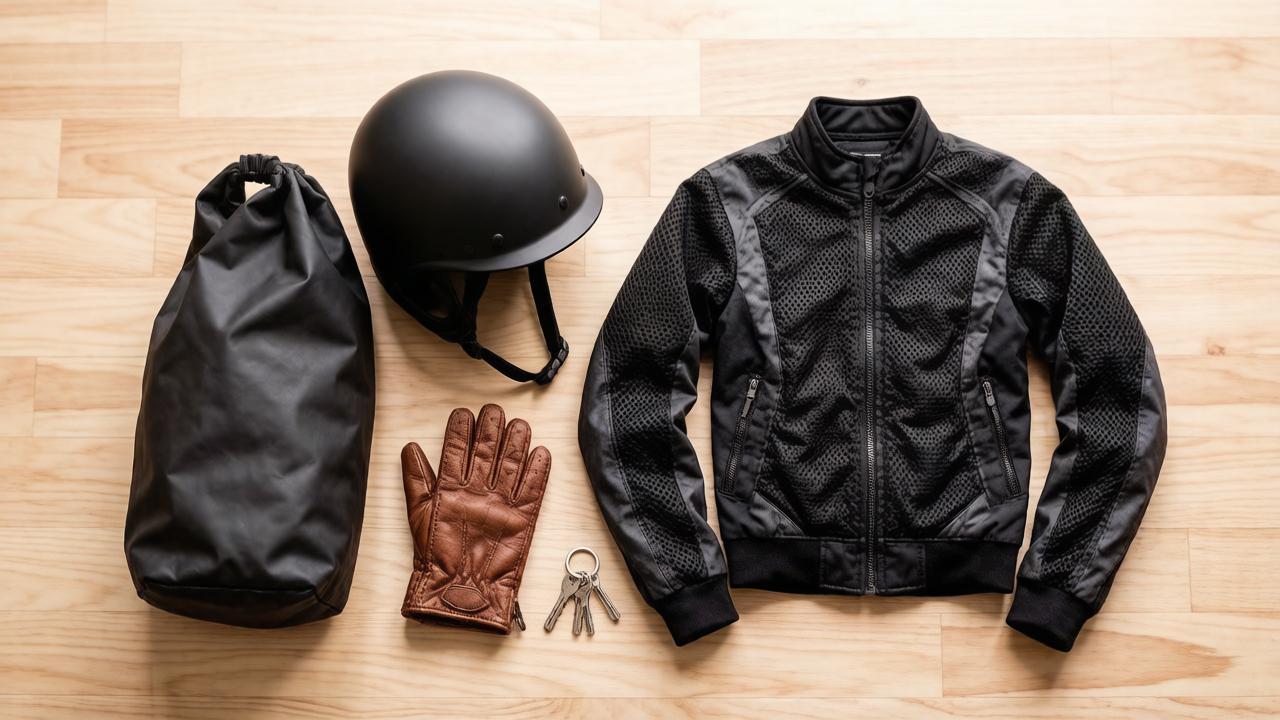
Embarking on a multi-day journey through the rugged topography of Northern Thailand is a dream adventure for independent explorers. The sheer thrill of navigating winding valleys and discovering hidden waterfalls is unmatched. However, transitioning from a casual day-tripper to a long-distance tourer requires meticulous planning and a strategic approach to your equipment. Securing a reliable scooter rental in Chiang Mai provides the freedom of movement, but your choice of clothing, luggage systems, and protective gear will ultimately dictate the comfort and success of your expedition.
Unlike traveling in a car or a public bus, a two-wheeler forces you to embrace minimalism. Every single item you pack must justify its weight and volume, as space is extremely limited. Furthermore, packing incorrectly can severely destabilize your vehicle, negatively impacting its center of gravity and handling on sharp mountain switchbacks. This exhaustive guide delivers a professional blueprint for luggage organization, weather preparation, and gear selection specifically tailored for long-distance scooter touring in Southeast Asia.
Advanced Luggage Solutions: Maximizing Limited On-Bike Storage
Modern scooters are remarkably practical, but they are not natively designed as heavy cargo haulers. To pack for a journey lasting several days or weeks, you must utilize a combination of storage zones without overloading the chassis. Let’s break down the optimal storage anatomy of a touring vehicle:
- The Under-Seat Compartment (The Under-Bone Bay): This is your primary secure, waterproof storage zone. Because this area sits directly above or adjacent to the engine, it can get incredibly warm during long rides. Use this space strictly for non-perishable items, heavy tools, spare mechanical components, and your primary clothing cubes. Never store heat-sensitive electronics, cameras, or chocolate here.
- The Front Glove Boxes and Utility Hook: Most modern scooters feature small front pockets and a central luggage hook. The glove boxes are perfect for items you need to access instantly without turning off the engine, such as a bottle of drinking water, sunscreen, and small micro-fiber cloths for cleaning your helmet visor. The central hook can securely support a small, heavy grocery bag or a compact day-pack resting between your feet.
- The Tail Rack and Top Box Option: If you plan to travel for an extended period, ask your rental shop to install a sturdy metal rear luggage rack equipped with a hard-shell top box (such as a Givi box). A top box provides secure, lockable, and completely weatherproof storage for your most valuable belongings, including laptops and camera gear, keeping them isolated from engine heat.
The Technical Gear Blueprint: Staying Protected in a Tropical Climate
Riding in Northern Thailand presents a unique environmental challenge: you must balance maximum physical protection against intense tropical heat and sudden humidity changes. Skipping protective gear due to hot weather is a massive safety risk. Instead, invest in technical apparel designed specifically for warm climates.
1. Head and Eye Protection: Upgrading Your Helmet Choice
The Standard: While basic rental shops provide cheap, open-face plastic helmets, you should actively demand or upgrade to a high-quality three-quarter or full-face helmet that features proper safety certification markings (such as ECE 22.05 or TIS approval).
Touring Specification: Ensure the helmet visor is completely clear and free of deep scratches that could distort your vision during night riding or heavy downpours. A secondary, drop-down internal sun visor is an incredible asset for blocking the blinding afternoon glare on high-altitude roads.
2. Body Armor: Mesh Jackets Over Cotton Hoodies
The Standard: Many tourists make the mistake of riding in tank tops, t-shirts, or light cotton hoodies. In a slide or fall, cotton offers exactly zero seconds of abrasion resistance against asphalt.
Touring Specification: Opt for a dedicated, lightweight summer riding jacket constructed from high-tensile mesh fabric. These jackets feature heavy CE-rated armor pads inside the elbows, shoulders, and spine protector zones, while allowing 100% of the cooling wind to blow completely through the fabric, keeping your core temperature perfectly regulated.
3. Footwear and Hand Protection
The Standard: Riding a scooter in flip-flops, sandals, or canvas slip-on shoes is an incredibly common sight that leads to severe foot injuries during minor incidents.
Touring Specification: Always wear fully enclosed, sturdy footwear—preferably leather boots or heavy-duty athletic sneakers with thick rubber soles. Combine this with lightweight, ventilated motorcycle gloves featuring reinforced carbon-fiber knuckle protection to shield your hands from flying insects, small gravel thrown by trucks, and road friction.
Weatherproofing Strategy: Managing the Three Seasons
Northern Thailand moves through distinct seasonal transitions, and if you are climbing high-elevation routes, the weather can fluctuate dramatically within a single afternoon. Your packing list must include a highly adaptive weather strategy:
- The High-Altitude Temperature Drop: For every 1,000 meters of elevation you climb, the ambient temperature drops by roughly 6.5 degrees Celsius. While the city streets of Chiang Mai might be a scorching 35°C, the summit of Doi Inthanon can easily hover around a freezing 10°C to 12°C. Always pack a windproof, long-sleeve mid-layer or a lightweight packable down jacket that can be layered underneath your mesh riding jacket.
- Tropical Rain Mitigation: Rainstorms in the mountains can materialize in minutes with zero warning. Standard umbrellas are useless on a two-wheeler. Keep a high-quality, heavy-duty two-piece rain suit (jacket and trousers) rolled tightly at the very top of your storage compartment. Cheap plastic convenience-store ponchos are highly dangerous on scooters, as they flap violently in the wind, obscure your mirrors, and can easily get caught in the spinning rear wheel machinery.
- Electronic Dust and Moisture Isolation: Roads in rural areas can get incredibly dusty during the dry season and muddy during the monsoons. Place your passports, electronics, chargers, and spare cash inside heavy-duty, zip-locked plastic bags or dedicated dry-bags before packing them into your luggage compartments to guarantee complete protection against environmental elements.